
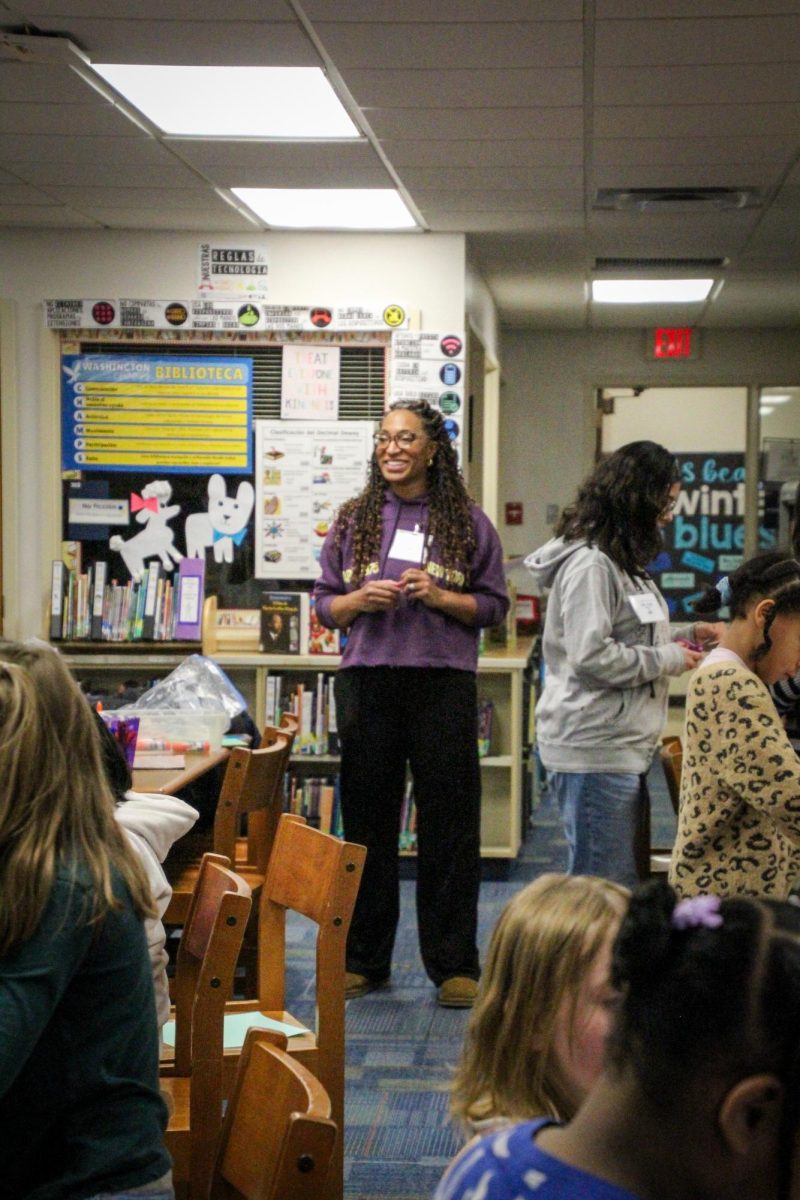
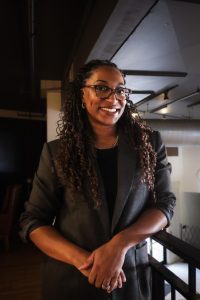
Brittany Barber noticed a problem with communication between families, through non-profit Hamilton Wings and use of the arts, youth began to express themselves.
Q: Can you explain what Hamilton Wings is?
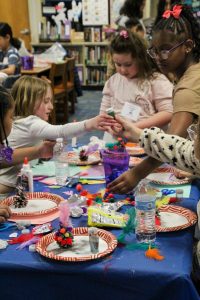
A: Hamilton Wings is a non-profit that is Elgin based, and our purpose is to empower youth to become leaders and academically excellent through the arts, our primary focus is students who might not otherwise have access to the arts.
Q: Why do you think it’s important to give back, and invest in the youth?
A: I think it’s important to give back, especially to youth in particular, because youth don’t often get this chance to express themselves in the way that they want to. I think it’s really important and powerful to let a five year old or a seven year old know that there are things that we didn’t have to put inside you, there are things that you already had inside you, and if you unlock that at five or seven years old then what might that do for your trajectory and autonomy later in life?
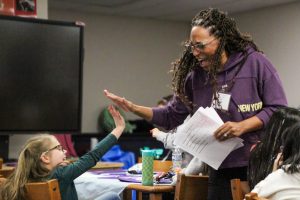
Q: What led you to a career in education?
A: I needed a job; I worked retail for a little bit, and then I ended up working for a for-profit university for a while and fell in love with helping new students figure out what to do. I got obsessed with seeing people make it through this thing that we call education and use it to master whatever goal it was that they were trying to reach.
Q: With over 14 years in education, how have you seen the landscape of student success and community engagement evolve?
A: It’s not so much an evolution but it’s the same cycle that I see we’ll get tasked to create something, it works and becomes great we’ll make it bigger, and two or three years later we realize big didn’t work, so we go back to making a committee and make this small thing. When programs get too big for you to look people in the eye and know their name,it could be the most connections in the world but then you’ve lost the point.
Q: Considering your dedication to strengthening families, supporting youth, and building thriving communities, what are some key challenges you’ve seen or faced in these areas today?
A: Challenges that I’ve seen are competing interests. You have the general economic toll, the reality of the economy and how much it costs, the privilege of being able to rest and sit still with your child, with our students, it’s always a challenge.
Q: You’ve received significant recognition, such as the visionary, and MLK Humanitarian award, how has these accolades influenced your perspective on leadership and commitment to change?
A: It’s gonna sound awful but they haven’t. Every time I’ve earned an award I’m startled
because I feel like I just got started.
Q: What inspired you to write Dear Nina: Letters to the Little Girl in All of Us?
A: When I was at social services, I was over a program for middle schoolers, and parents would lament about not being able to talk to their kids, but the kids would tell me the same thing, after realizing this rift, particularly between mothers and daughters, and also my daughter is someone I learn a lot from, and I wanted her to know she was inspiring me and blessing me before she got older and if she ever got to a crossroad in life, I wanted the book to serve as a guidepost for her.
Q: As you move forward with Hamilton Wings, what are your aspirations for the organization?
A: I want to grow our existing programs, which is ionic because I said this is what we do, but in terms of, I don’t want it to be massive, but I want to increase our enrollment, I want to increase our reach. There are a good amount of people who don’t know who we are.
Q: Being a woman of many hats, how do you balance it all?
A: “ I wish more people knew how different the air can be when you lead, like you just see things differently. Even at this level, I’m still adjusting like ok, this is a new height, how do I breathe up here, but just slowing down intentionally a lot. I call it slow
leadership.