
As the heat of the summer begins, finals conclude for many students at Elgin Community College, while the work to preserve natural waterways remains never-ending for the beaver.
“They are the largest rodent in North America, and “up to 70 pounds,” said Nature Program Coordinator Devon Estevanes, for Hawthorne Hill Nature Center.
-
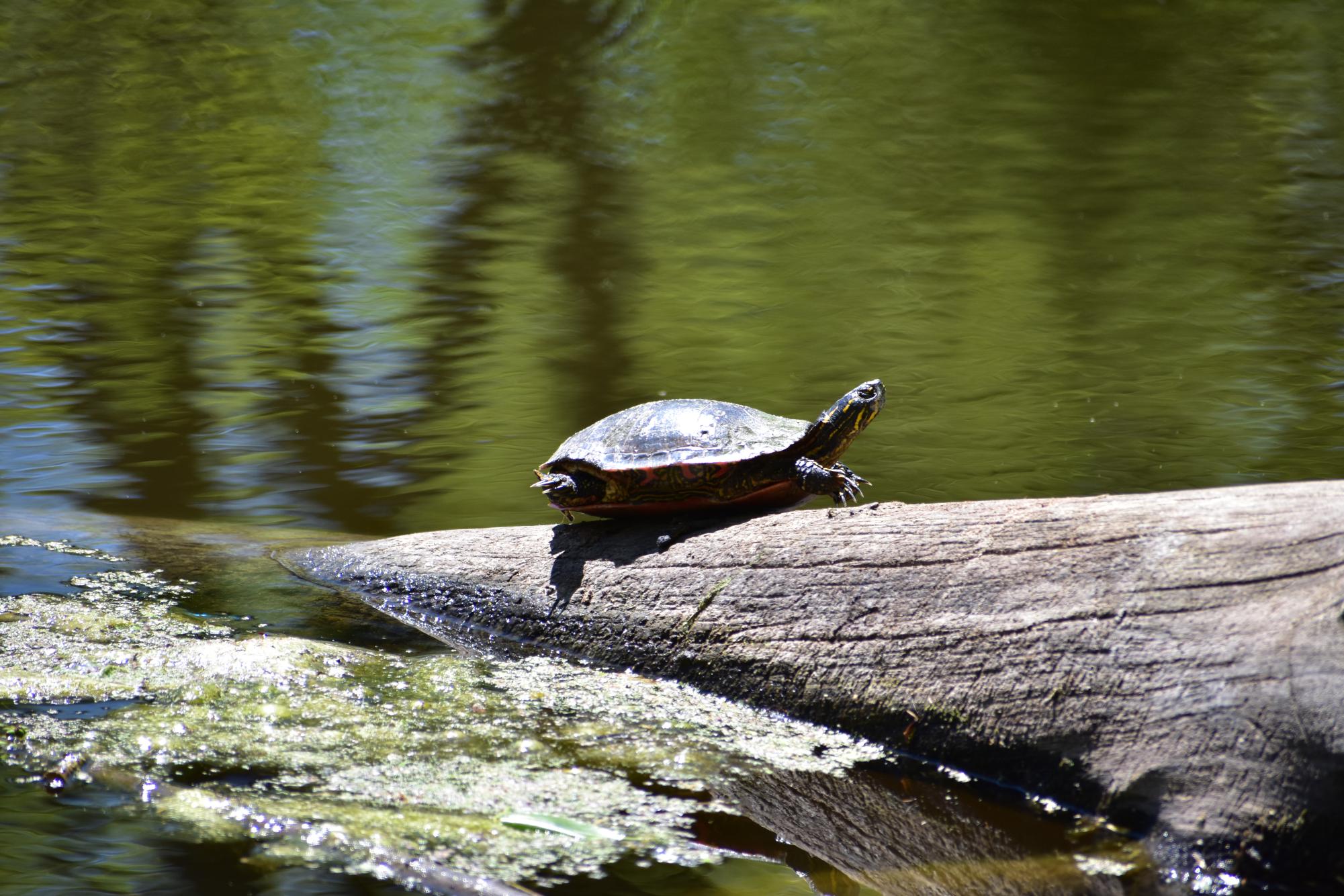
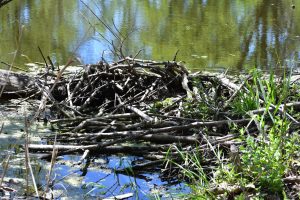
Many creatures such as turtles take refuge at structures that the beavers have created on May 11, 2026. Beavers had been a very important part of the ecosystem.
-
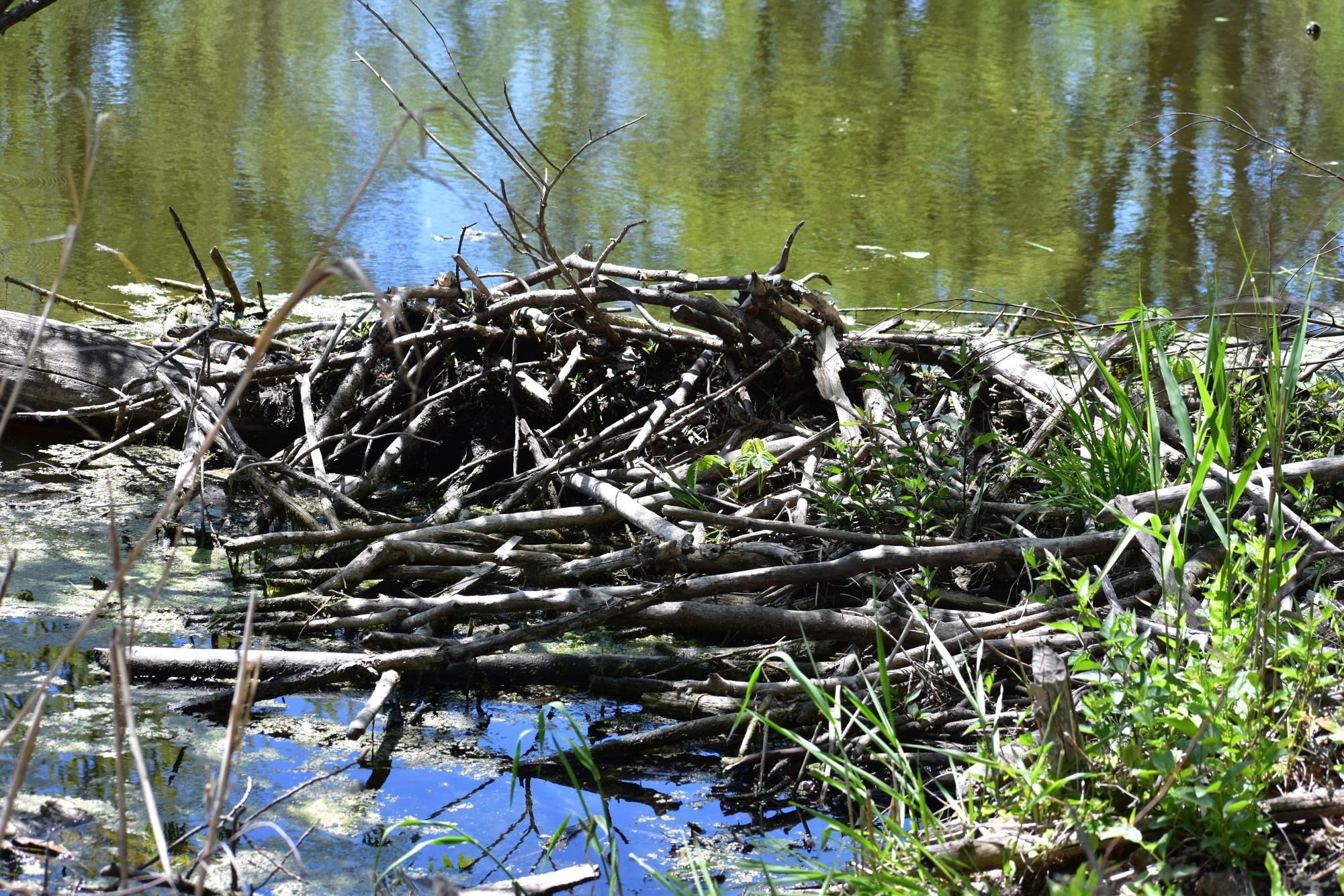
A collection of branches set in the pond by beavers on May 11, 2026. The branches were home to many kinds of creatures.
-
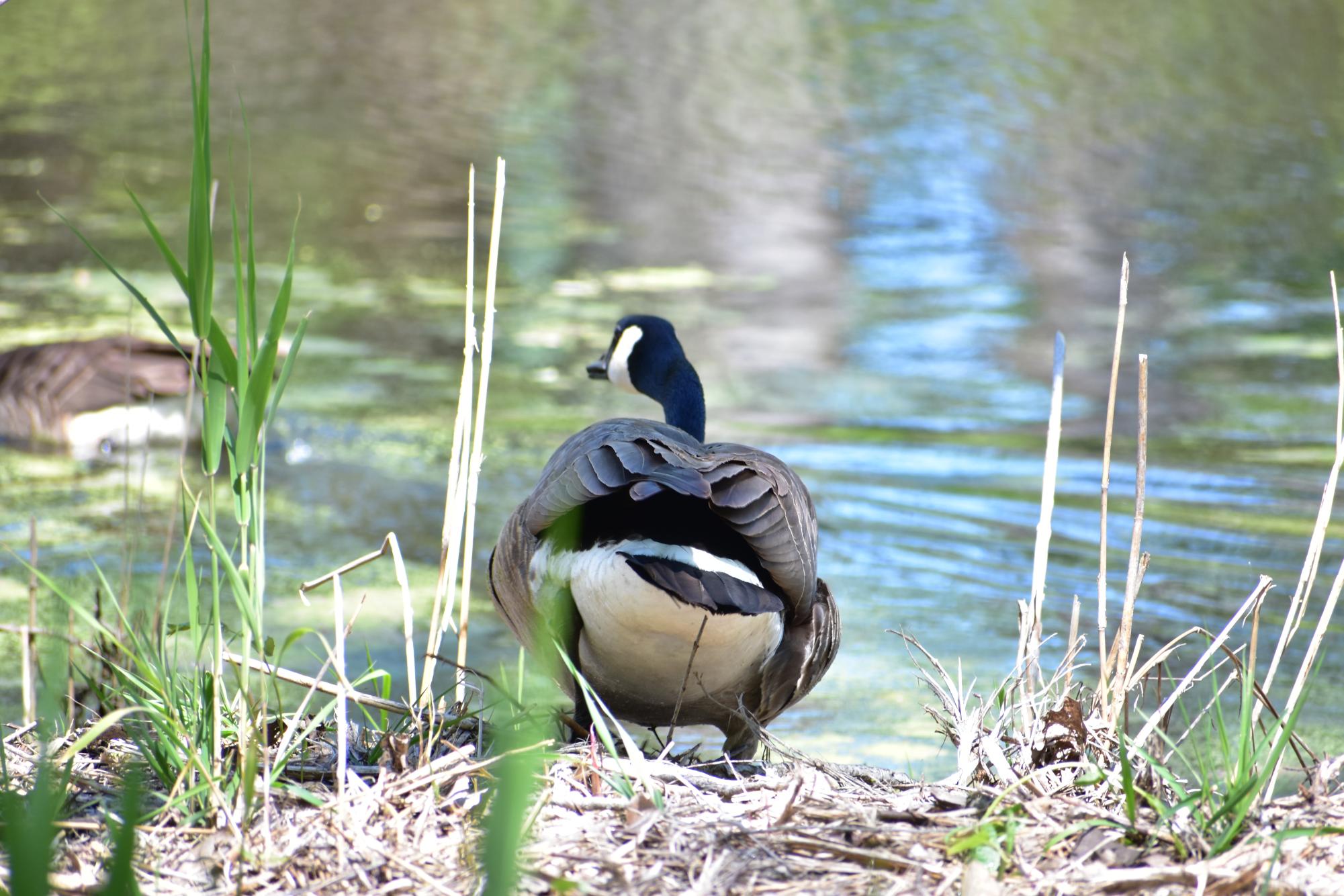
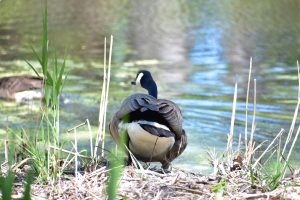
A goose stands near the water edge trying to scavenge for food on May 11, 2026. Due to the beavers affects on the ecosystem, there were many spots where numerous food sources were located.
-
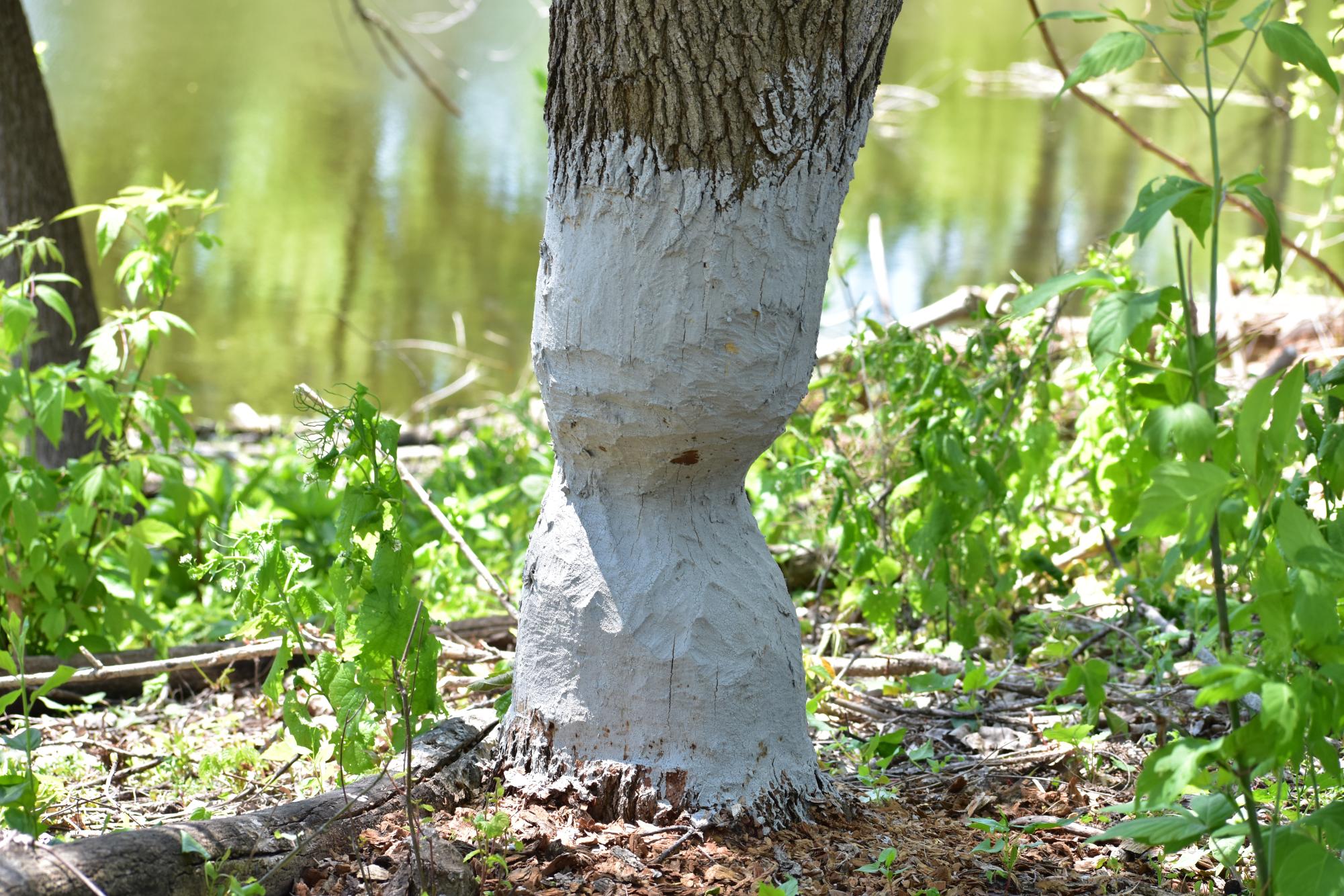
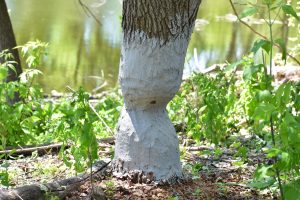
A tree that a beaver had been gnawing on is marked with a sandy, grey paint mixture on May 11, 2026. This coating helped to protect the tree from further damage.
-
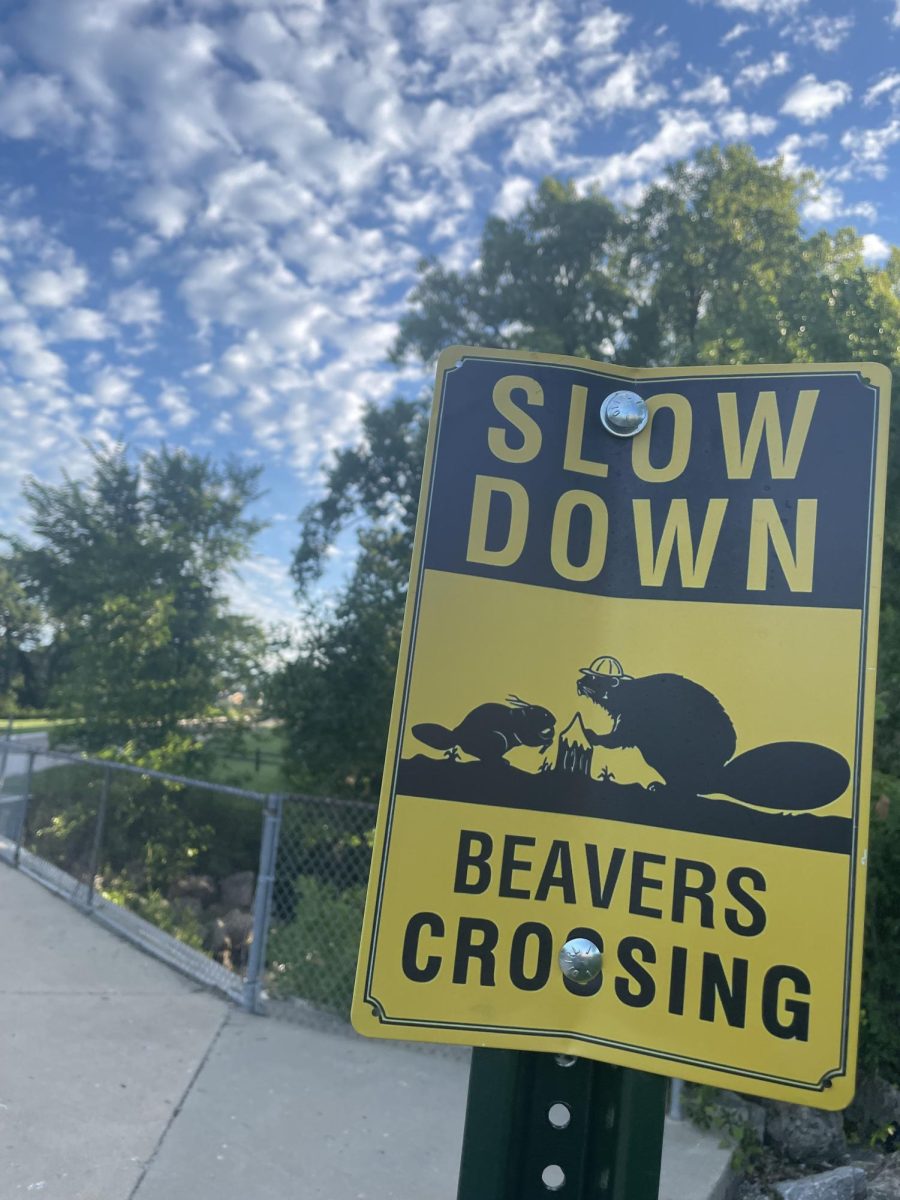
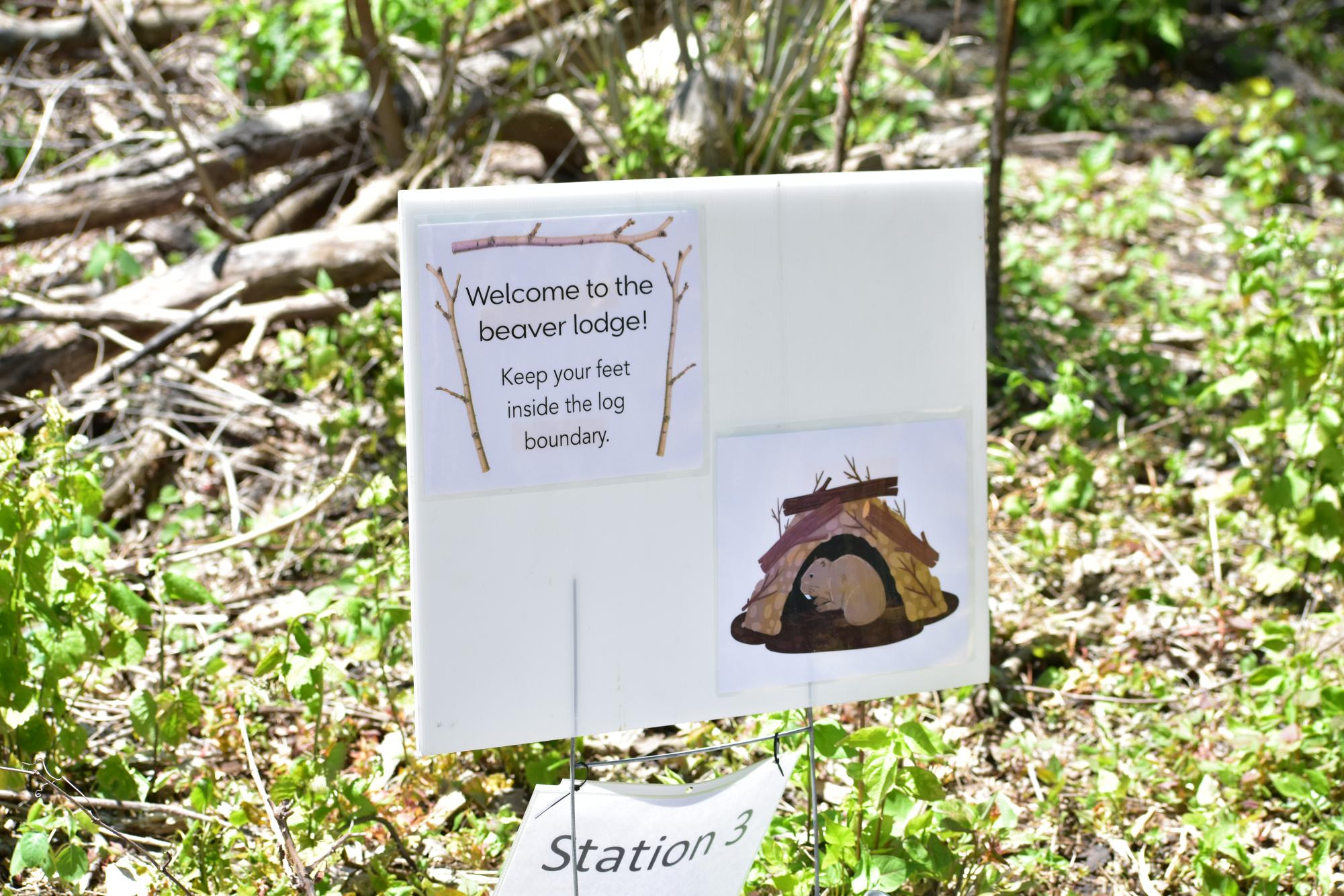
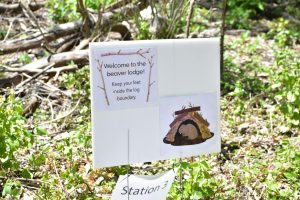
A sign on the forest trail welcomes people to come learn more about the beavers on May 11, 2026. The sign was also made in order to make sure hikers to not mess with areas that were important to the beavers.
Not only is the beaver known for its size, but it is also an important component to stabilizing its environment.
“They are what we call a keystone species. So they dramatically affect the landscape and the ecosystem that they live in,” Estevanes said.
Once the beaver changes its landscape, the habitat that it inhabits can experience less air pollution.
When they[beavers] build their homes, they can create new wetlands, which are really good at sequestering[reducing] carbon, so they’re also called a carbon sink,” Estevanes said.
Other animals can also find refuge in what the beaver constructed.
“When they alter their environment by creating a wetland with their dam, basically, when the dam fills up all this water, that benefits the beaver, but it also benefits so many other animals,” Estevanes said.
Dams built by beavers don’t absorb carbon dioxide by themselves. They instead make a habitat possible for other organisms to do that task, resembling a community of workers.
“Aquatic plants, and semi-aquatic plants, too, that grow in a wetland, as they photosynthesize, they draw in carbon dioxide,” Estevanes said. “They’re taking that out of the atmosphere.”
Those plants do not live forever; eventually, they cease to be, but that’s not the end of the process.
All of the carbon from the plant eventually “becomes part of the soil,” Estevanes said.
“Once those plants die, they sink into the wetland,” said Estevanes. “Decomposition really doesn’t happen at the same rate as it does in other places.”
Instead of being in the air, carbon gets trapped in the wetland due to the contributions beavers make to help sustain it.
Beavers used to be more abundant throughout North America, but they were almost hunted down to extinction.
“They[beavers] have a long history of being killed for their pelts, and that trend was the impetus for the fur trade, when Europeans first came to the Americas,” said Director and Education Coordinator Sharry Blazier, for the Elgin Public Museum.
Although beavers faced a lot of battles with being overhunted, eventually they were able to recover.
“It[beaver pelt] was prestige to have, but once that craze died away, nobody wanted a beaver hat anymore. Then, at least the species was not sought so much, and it had a recovery,” Blazier said.
Although that stagnated the beavers’ productivity, it still kept working to improve the waterways that transitioned into the modern world. Beavers remain the same when it comes to their original duties.
“They are an important aquatic ecosystem manager, because they can regulate water waves, usually moving water in rivers and streams,” said Biology Professor Mary O’Sullivan for Elgin Community College.
While they regulate air and water, they also “help offset some of the changes of climate change that is creating evaporation,” O’Sullivan said.
As they keep working to preserve the waterways, they also manage invasive trees while using them to build their homes.
“If you have trees near the waterway that are fast-growing invasives. They can take those down quickly,” O’Sullivan said.
During the summer, students can visit wetlands as well as forests and may encounter beavers that are working to preserve the natural order.