
As Ramadan begins, Muslim students at Elgin Community College have shown interest in accessibility for practice and fostering community through reviving the ECC Muslim Student Association (MSA).
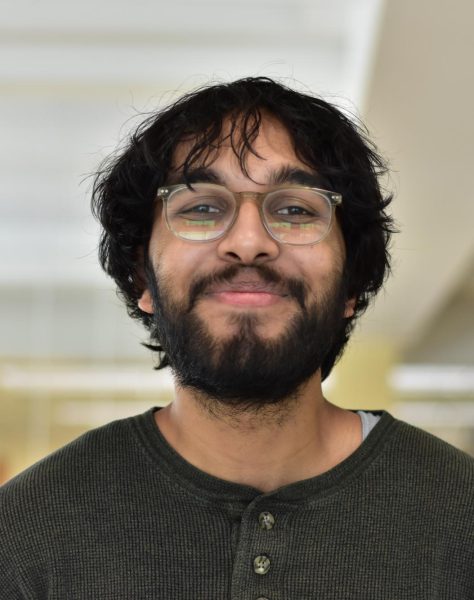
“I mean, inclusion is always a good idea, especially something like the MSA would be very good.” says second-year ECC student Shahzad Fazal. “I would also spread the word myself to Muslims [at ECC]. I think that’s part of the mission.”
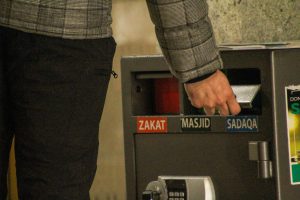
The annual month of Ramadan has begun. This month on the Islamic calendar is significant for a majority of Muslims.
The time of Ramadan is determined by the Islamic calendar, which is a lunar calendar determined by the monthly cycles of the moon’s phases. According to the United States Naval Observatory (USNO), this leads to the month of Ramadan beginning about 10 days prior each year on the ubiquitous Gregorian calendar.
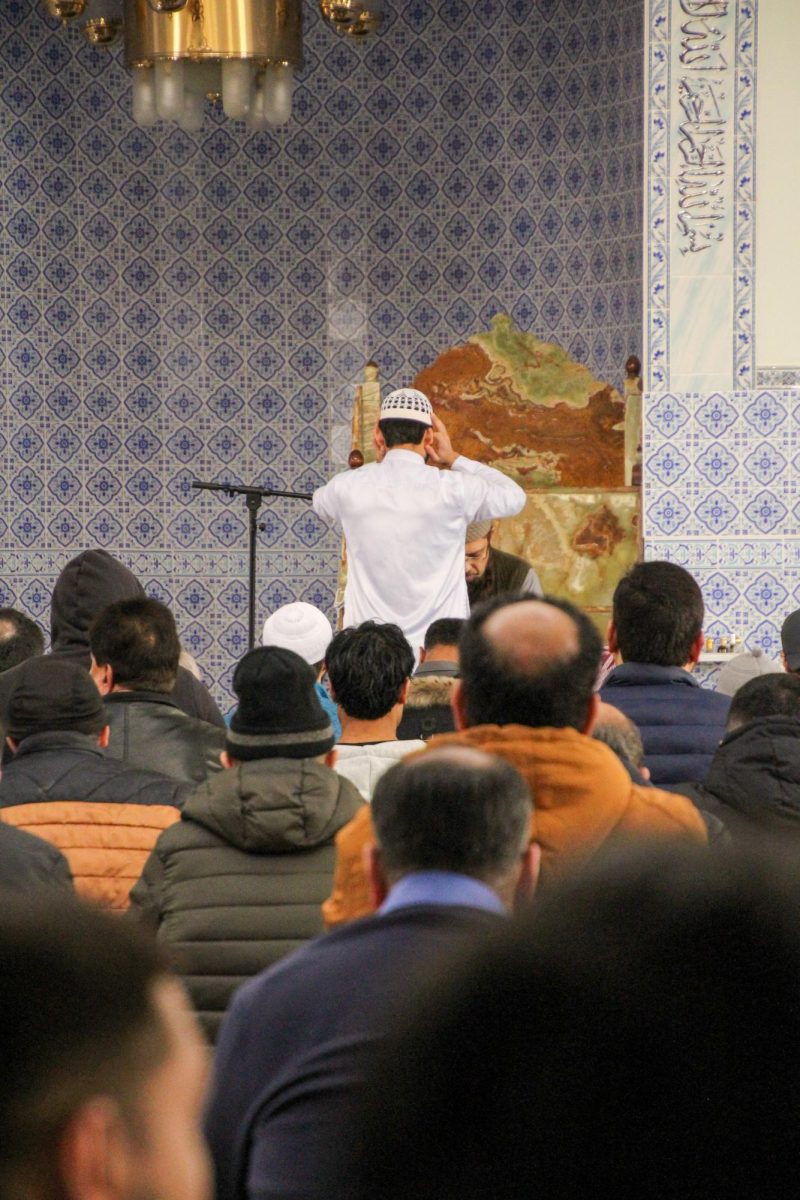
“It is a month of spiritual focus for Muslims,” said Raage Farah, who is a leader of the local Elgin Mosque, IIE (Islamic Institute of Education). “A month where we fast from dawn to sunset, increase in our prayers.We reflect on our character and refine our character. We can find that it is more about developing self-discipline, gratitude, and putting ourselves in the shoes of those who are less fortunate than us.”
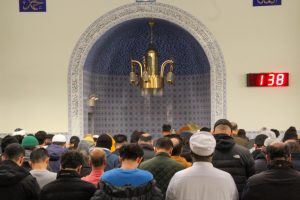
Farah is a Hafiz, a Muslim who has memorized the entirety of the Quran. He also is an Imam, one of the leaders of the daily prayers within the mosque.
This practice is part of Islamic faith for all Muslims. Daily fasting for Muslims began on February 19th.
There is no exact figure of the Muslim population in Elgin or who attend ECC.
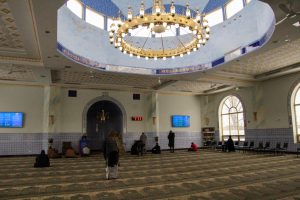
According to the U.S. Census Bureau in 2020, roughly 470,000 Muslims reside in Illinois, with the greatest concentration belonging to Chicago and its surrounding metropolitan area including Elgin, Schaumburg, Naperville.
Fasting is an obligatory, common practice for Muslims. They do not eat any food or drink water from sunrise to sunset daily.
It serves multiple purposes in Islam. Fasting strengthens one’s personal faith and self-discipline. Fasting develops more compassion for those less fortunate as well as feeling strong gratitude and blessings for a single meal.
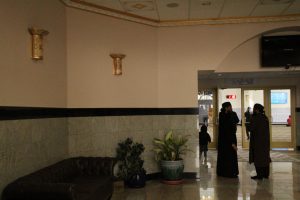
The breaking of the fast at sunset is called Iftar.
“We find that that’s when families get together and sit and break bread together along with community members as well,” says Farah. “It’s a way of getting together and strengthening that sense of community.”
Fazal enjoys Iftar.
“I feel like it is the best part of Ramadan,” said Fazal. “Everyone works hard together to do their own fast or try to fast. It’s just a hard job for everyone. At the end of the day when the sun sets and we can all eat; that’s like a joyous occasion.”
In November of last year, an Observer article was written of the existing and expressed interest in reviving the MSA (Muslim Student Association), which previously ran until 2021.
MSA exists as a national association with 162 total affiliated chapters as of their 2024 report. Part of the MSA affiliation membership charter refers to the mission of engaging with local communities, working towards providing halal food options, and attaining sufficient prayer space.
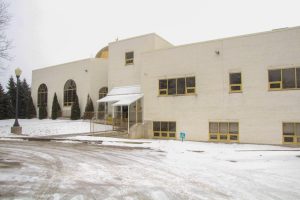
“We have personally hosted an MSA conference here at IIE about two years ago,” said Farah on his experience with the MSA, “We had about 30 MSA participating universities, colleges, and even high schools all across Chicagoland.”
“Programs such as Iftar would be a great service to students,” said Farah, “We find that it really does help give students that confidence in their religion, in their practice and allows them to express their religion freely.”
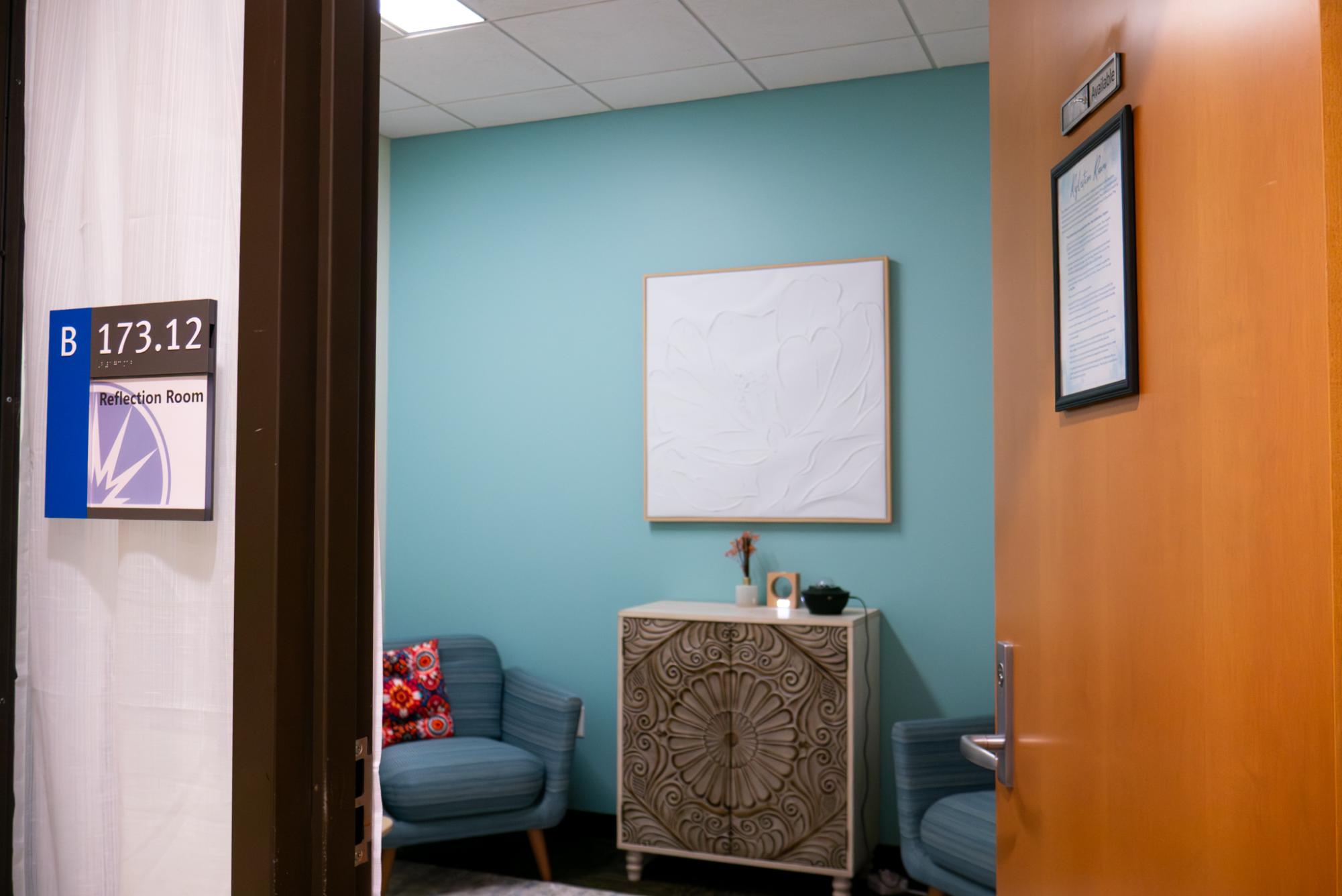
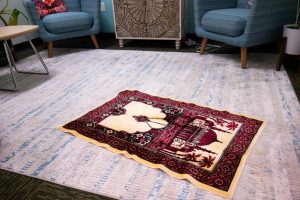
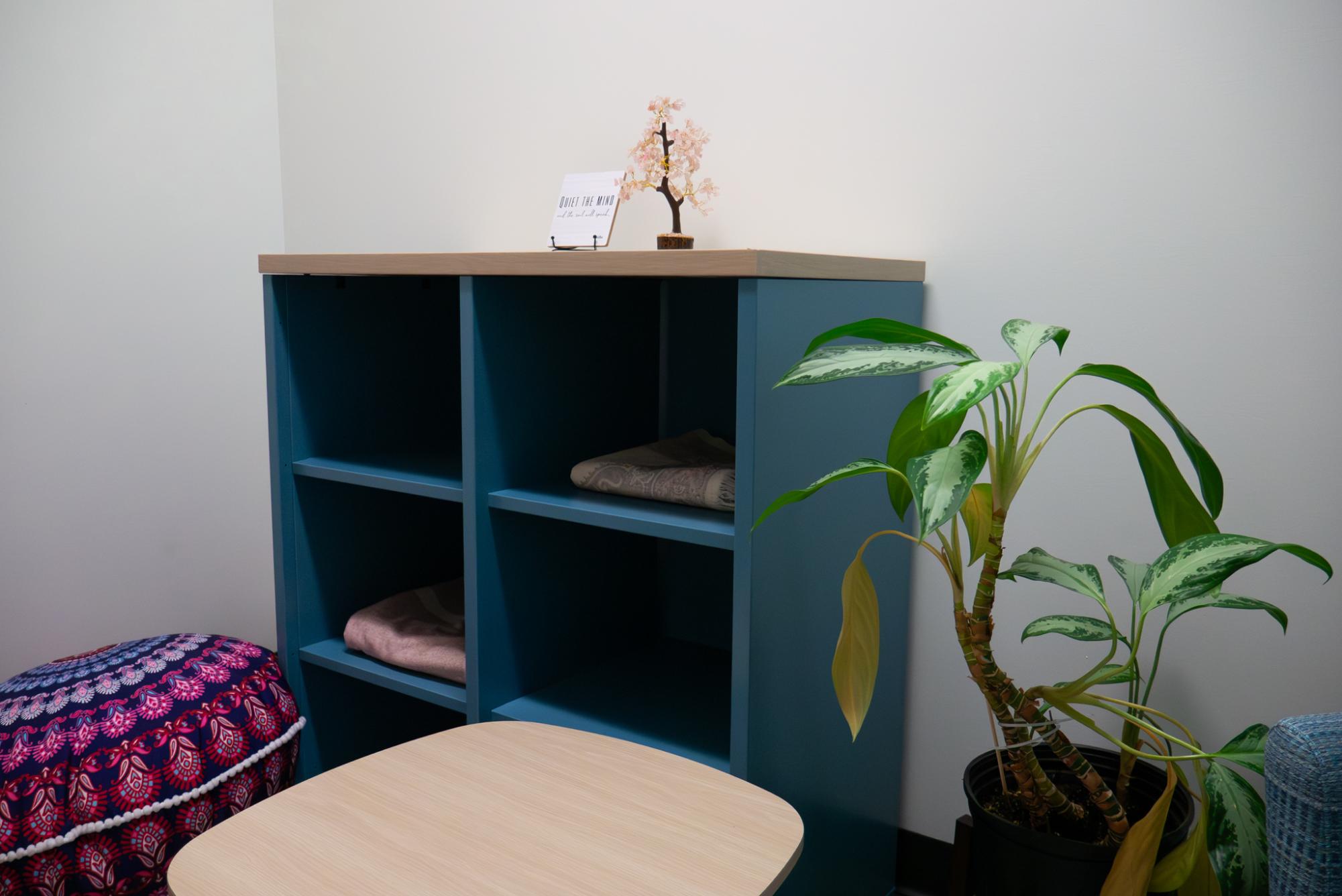
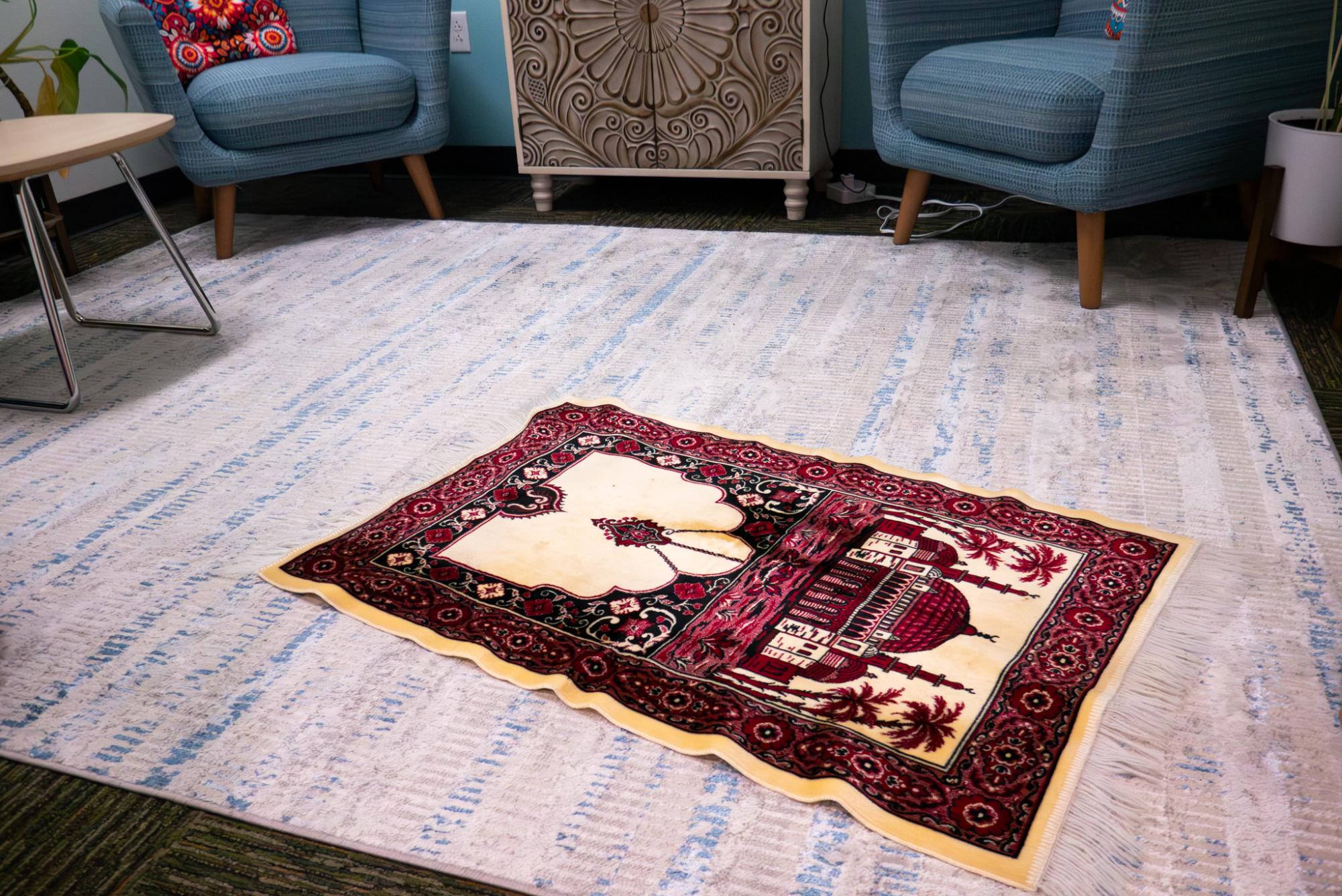
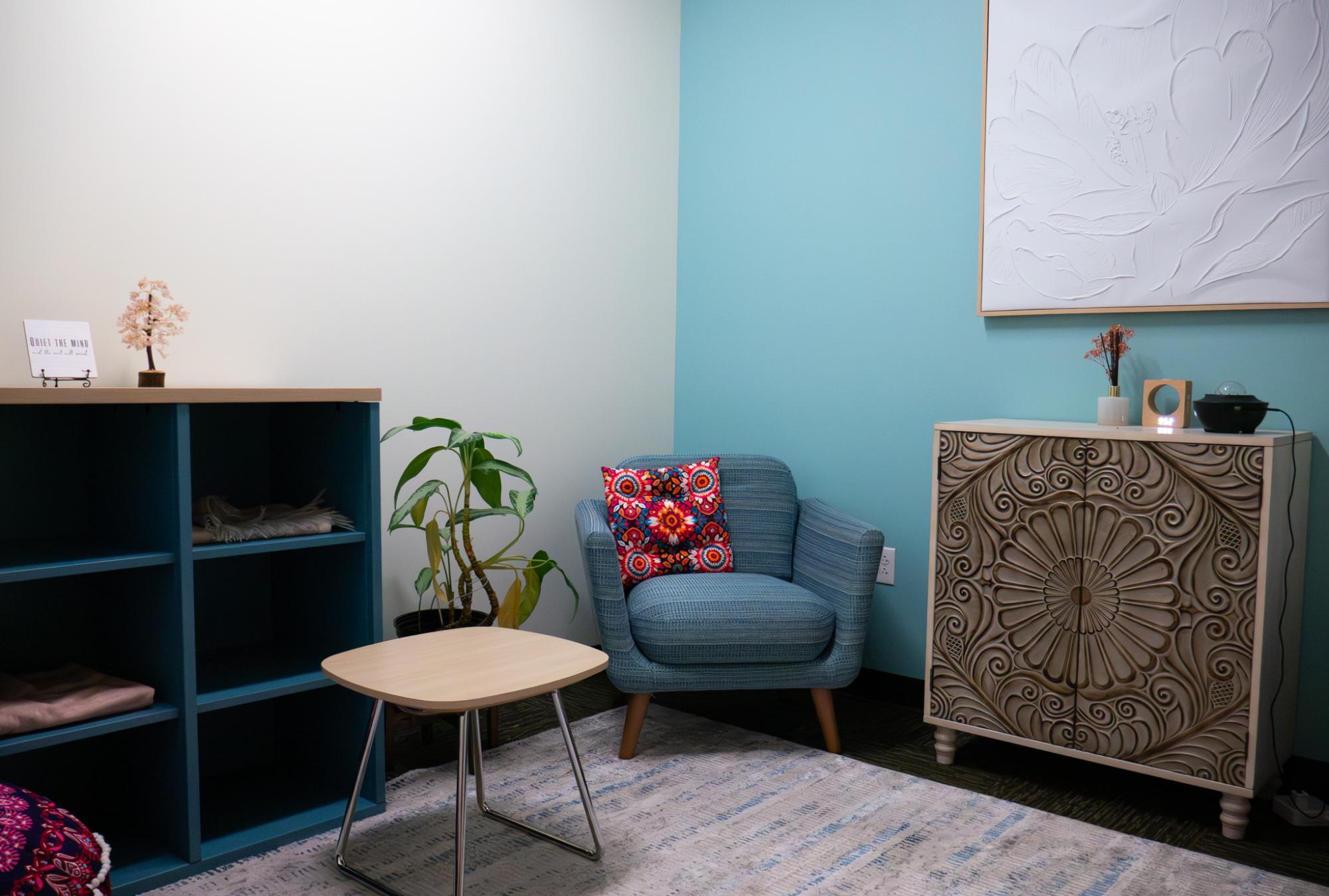
ECC’s current service of accessibility for Muslim students as well as students of all faiths is the reflection room, located in the student life hall at B173. This room provides a safe and quiet atmosphere, and a prayer rug for Muslim students to make prayer during their time on campus. However, the limitation of this room is that it allows only one occupant at a time.
“It doesn’t have to only be Muslims for Iftar,” Says Fazal upon the topic of hosting Iftar meals at ECC. “That’s a way to spread it out more. People can just have fun and bring their own food. I feel like a lot of people would go. I feel like a lot of non-Muslims would come, they could tell their friends.”
-
Reflection Room in B73.12 at Elgin Community College on February 2, 2026. “Programs such as Iftar would be a great service to students,” stated Farah, “We find that it really does help give students that confidence in their religion, in their practice and allows them to express their religion freely.”
-
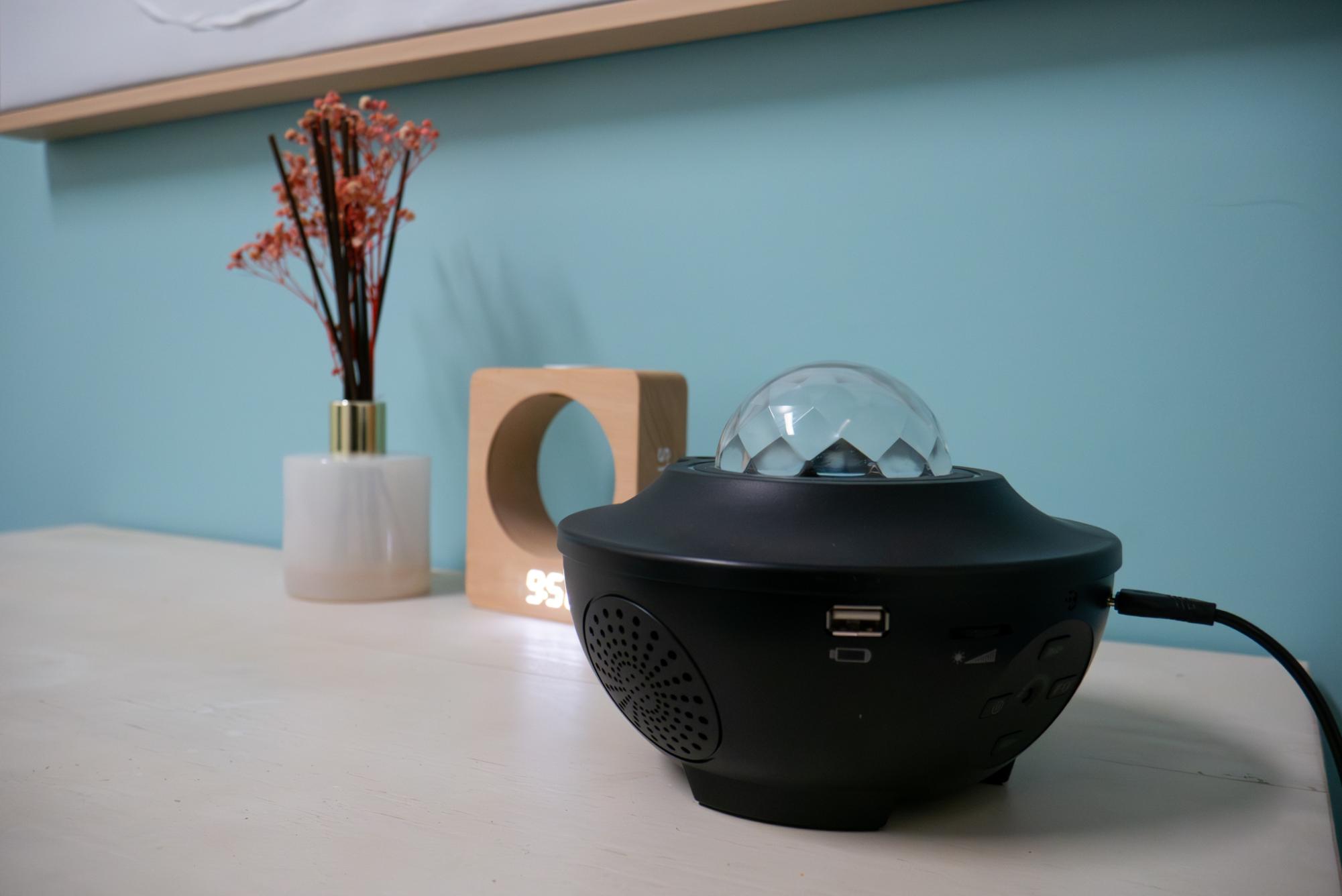
A speaker sits on a shelf inside Elgin Community College’s Reflection Room located in B173.12 on February 2, 2026, adding to the calming atmosphere for students using the space. Raage Farah, leader of the local Elgin mosque, IIE (Islamic Institute of Education) stated, “A month where we fast from dawn to sunset, increase in our prayers. We reflect on our character and refine our character. We can find that it is more about developing self-discipline, gratitude, and putting ourselves in the shoes of those who are less fortunate than us.”
-
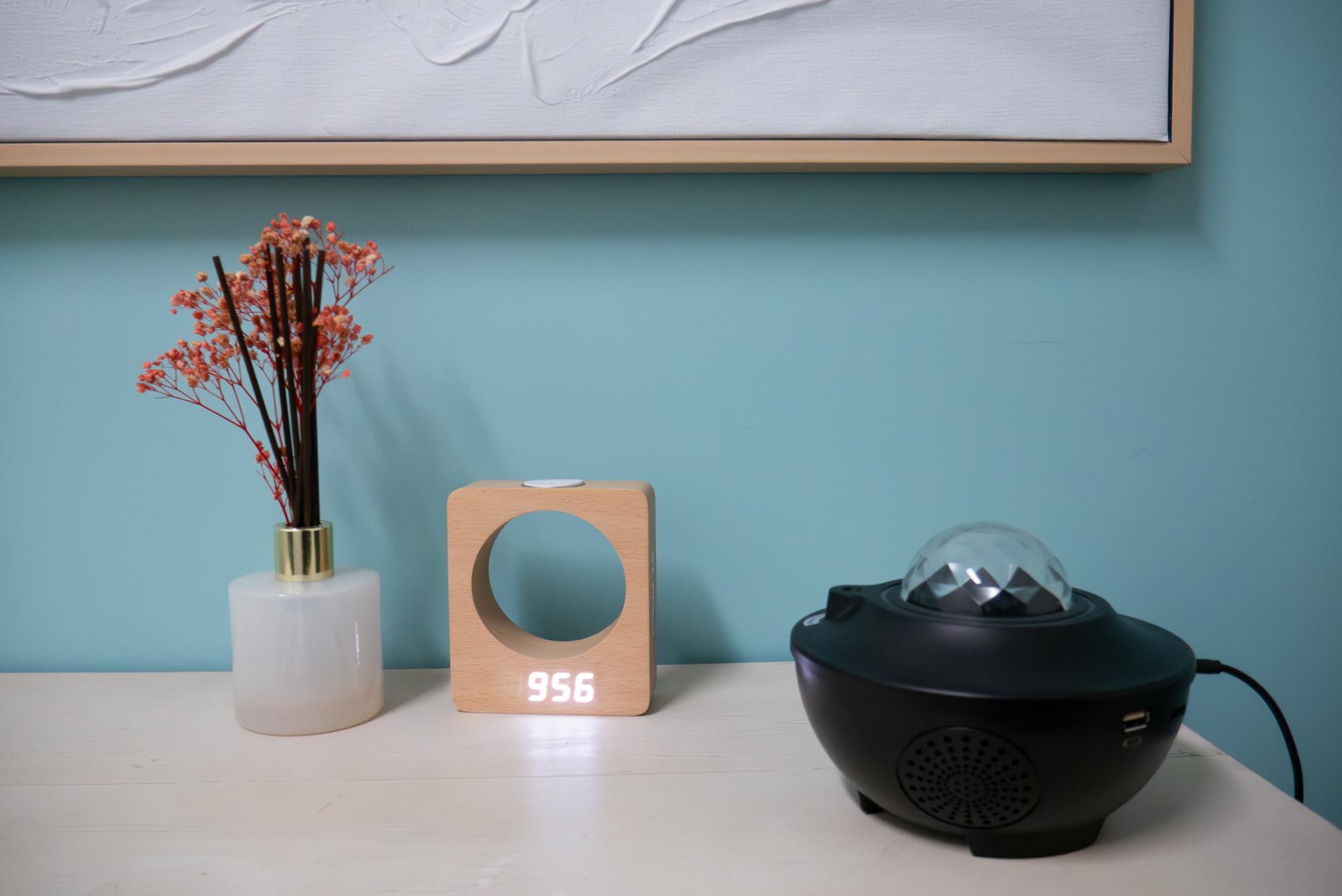
Items used in prayer and reflection rest on a table inside of the Reflection Room on February 2, 2026. ECC students have expressed interest in accessibility for practice and building community by reviving the ECC Muslim Student Association (MSA).
-
ECC’S Reflection Room in B173.12 on February 2, 2026. Inside, a prayer rug is seen for Muslim students to pray during their time on campus.
-
Soft seating and decorative items sit inside the Reflection Room located in B173.12 at Elgin Community College on February 2, 2026. Muslim students who are observing Ramadan may use the space for prayer while on campus, but only one person may be inside the room at a time.
-
Reflection Room located inside the Student Life office in B173.12 at Elgin Community College on February 2, 2026. It is a quiet space made for students of all faiths to pray or reflect during the day.