
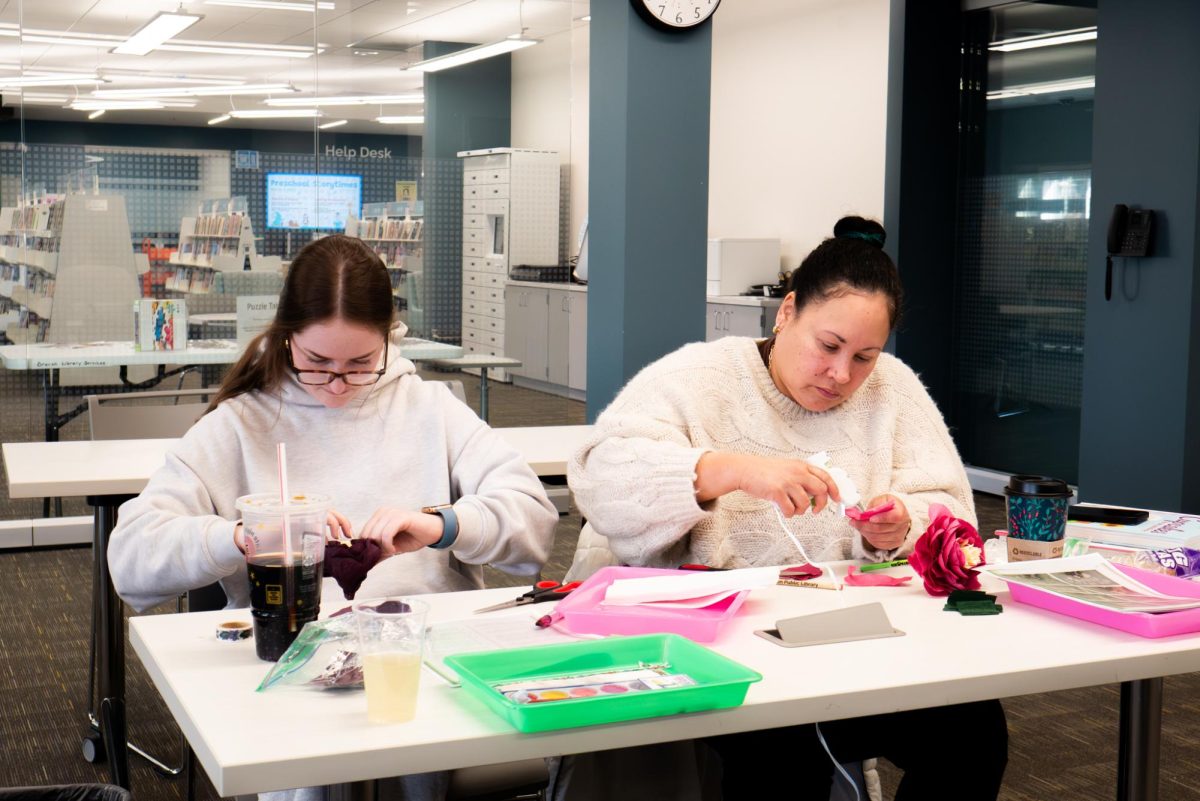
Libraries are evolving into dynamic resource hubs for students, offering far more than shelves of books. At the branches of Gail Borden Library, administrators say their mission has expanded to meet the academic and technological needs of today’s learners.
Students walking into any Gail Borden branch are met with access to study spaces, research databases, technology support, and programming designed to supplement classroom learning. These services, library officials say, are especially vital as students balance increasing academic demands with limited access to reliable resources at home.
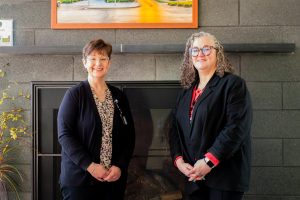
“Libraries really have a lot to offer,” said Kim Alberth, Gail Bodren branch customer relations manager. “We connect students to tools they may not know are available, whether that’s a quiet place to study, help building a resume, or our multitude of databases for research.”
All of this begins with physical space. Study rooms and quiet zones provide an environment many students struggle to find elsewhere. For those working on group projects, collaborative spaces like study rooms allow for discussion without disruption, creating a balance between individual and team-based learning.
Beyond space, technology has become one of the library’s most critical offerings. Computers, printers, and high-speed internet are available for students and the general public who may lack consistent digital access. According to Angela Boque, Gail Borden branch information and technology manager, this access can make a significant difference in academic performance.
“Not every student can afford reliable internet or updated software at home,” said Boque. “Libraries make sure that they can complete assignments, conduct research, and stay connected with their coursework.”
Boque added that staff members are also available to assist students with technical challenges, from navigating databases to online death cleaning, a process where you organize, secure, or delete your digital life to prevent burdening loved ones after you pass away. This hands-on support helps students build digital literacy skills that extend beyond the classroom.
Resources for research remain a cornerstone of library services, though they have expanded far beyond traditional books. Students can access a wide range of academic databases, digital archives, and online learning tools. Librarians are trained to guide users through these systems, helping them locate credible sources and refine their research strategies.
“Students often come in because they are overwhelmed with the amount of information online,” said Alberth. “We show them how to find accurate, reliable sources and how to use that information effectively.”
In addition to academic support, libraries offer programming aimed at skill development. Workshops on resume writing, college preparation, and financial literacy are regularly offered. For younger students, tutoring programs and homework-help sessions provide extra academic reinforcement.
“Resources like test-prep and online training courses can really help students and make a difference.” emphasized Boque.
Community partnerships also play a role in expanding what libraries can offer. By collaborating with local schools and organizations, Gail Borden is able to tailor its services to meet specific student needs, from afterschool programs to having “book mobiles” and “book bikes” to reach more students.
Despite the rise of digital information, both Alberth and Boque stress that libraries remain essential because of that social interaction and guidance. While technology provides access, librarians provide direction.
“Information is everywhere when you think about it, but not all of it is accurate or useful,” said Boque. “What the library offers is the ability to make sense of it.”
As students continue to face academic and technological challenges throughout the semester, libraries such as Gail Borden are adapting to remain accessible and relevant. Through a combination of space, technology, research support and community programming, they continue to serve as a critical resource for student success.
“Libraries aren’t just about books anymore,” Alberth said. “They’re about opportunity.”