
-
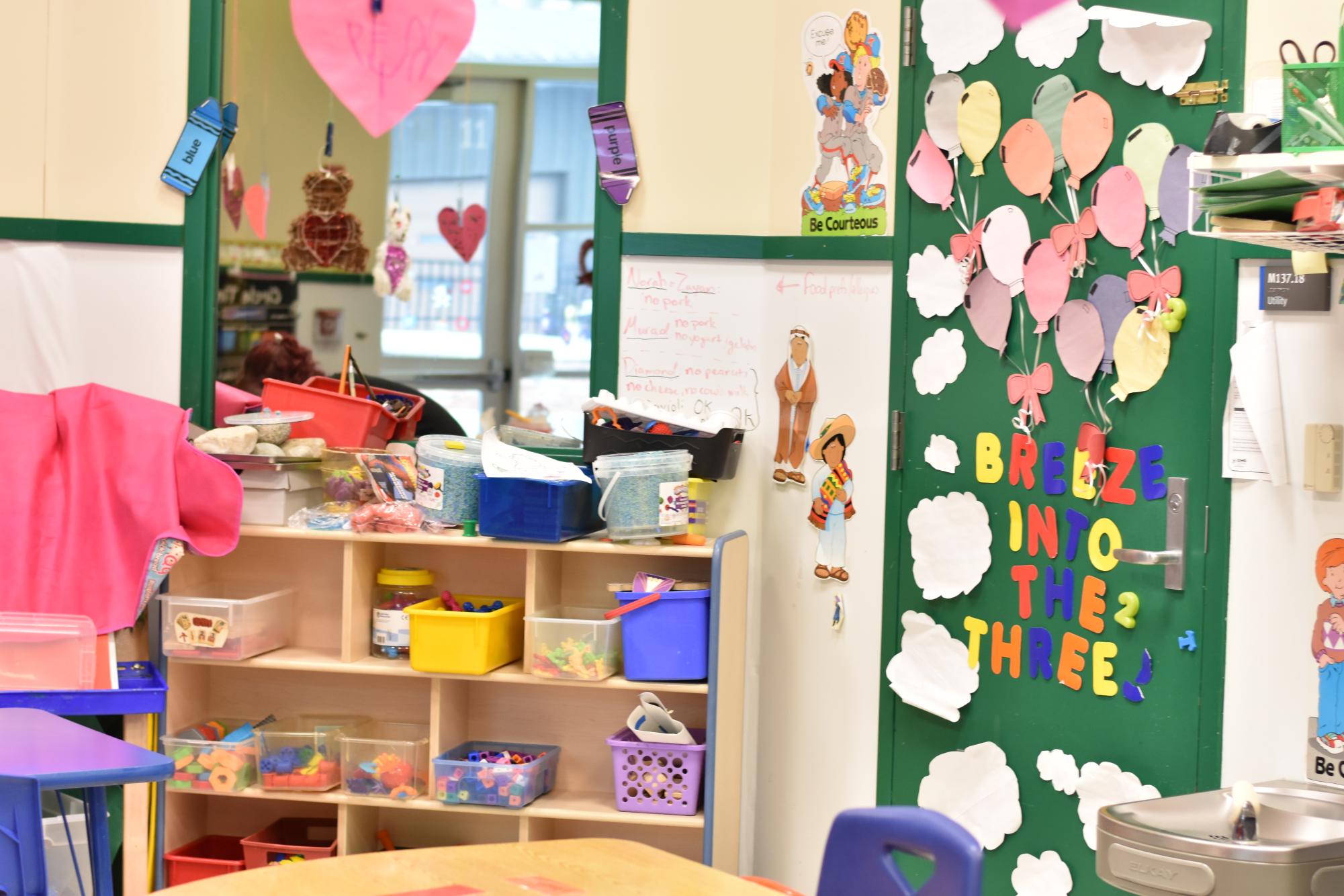
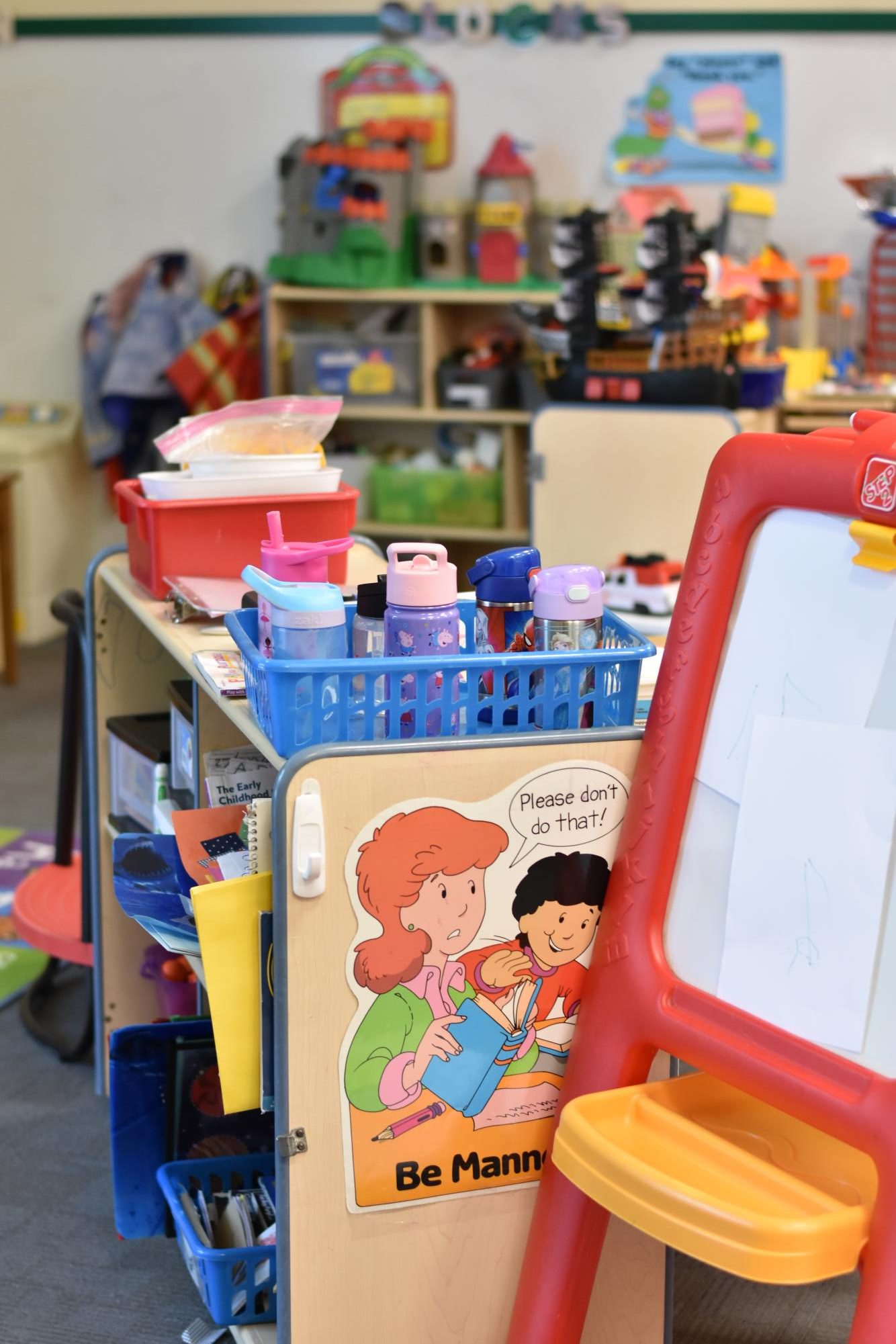
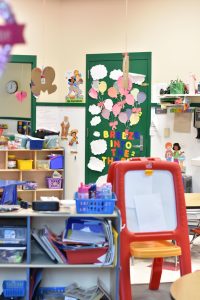
Decorations and toys are all around the classroom, making it engaging for the children. Feb 4, 2026.
-
Many shelves containing toys and activities keep the children occupied. Feb 4, 2026.
-
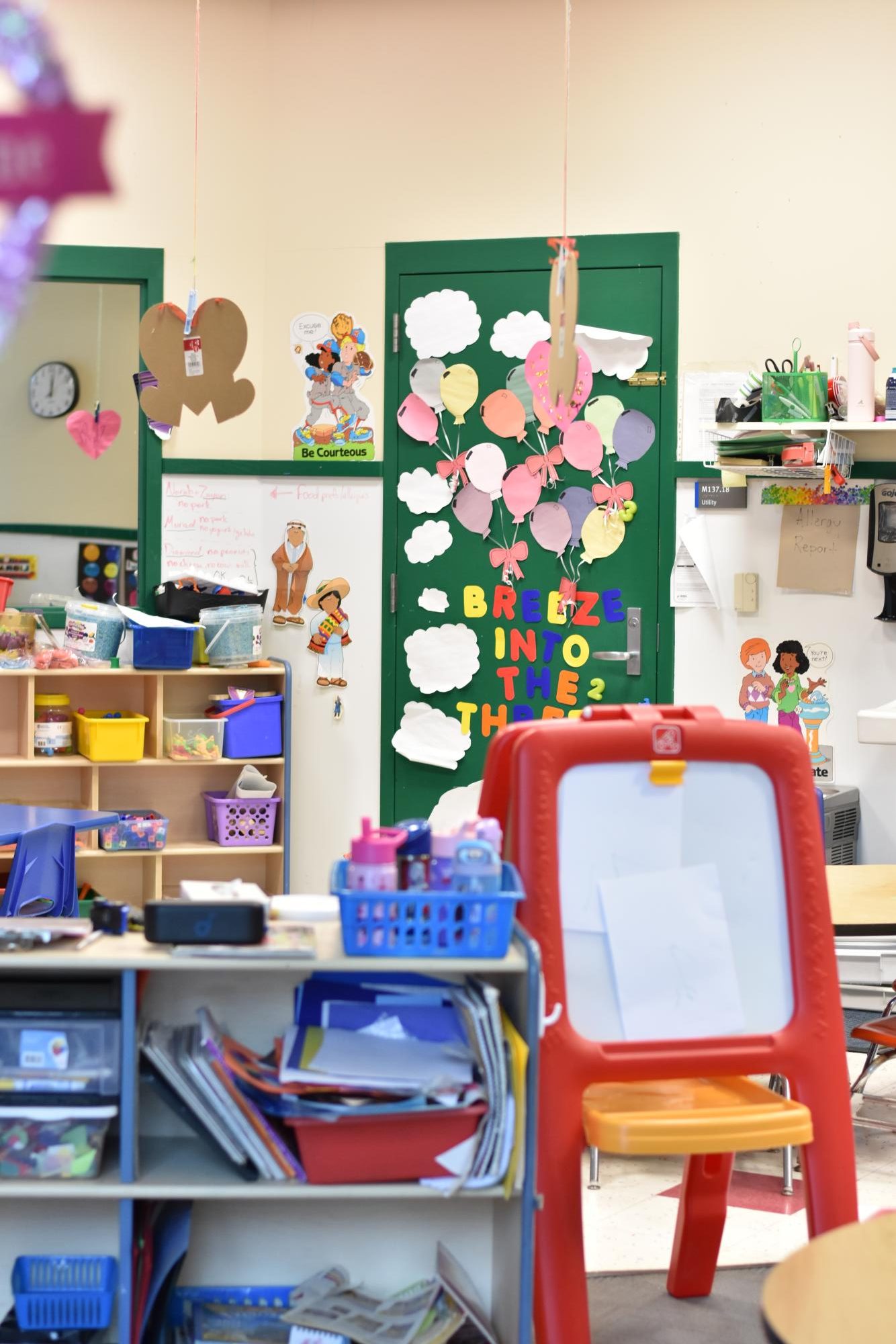
Valentines day decorations hang in the classroom for the children to enjoy. Feb 4, 2026.

-
Activities and toys that the children can use to help learn motor skills. Feb 4, 2026.
-
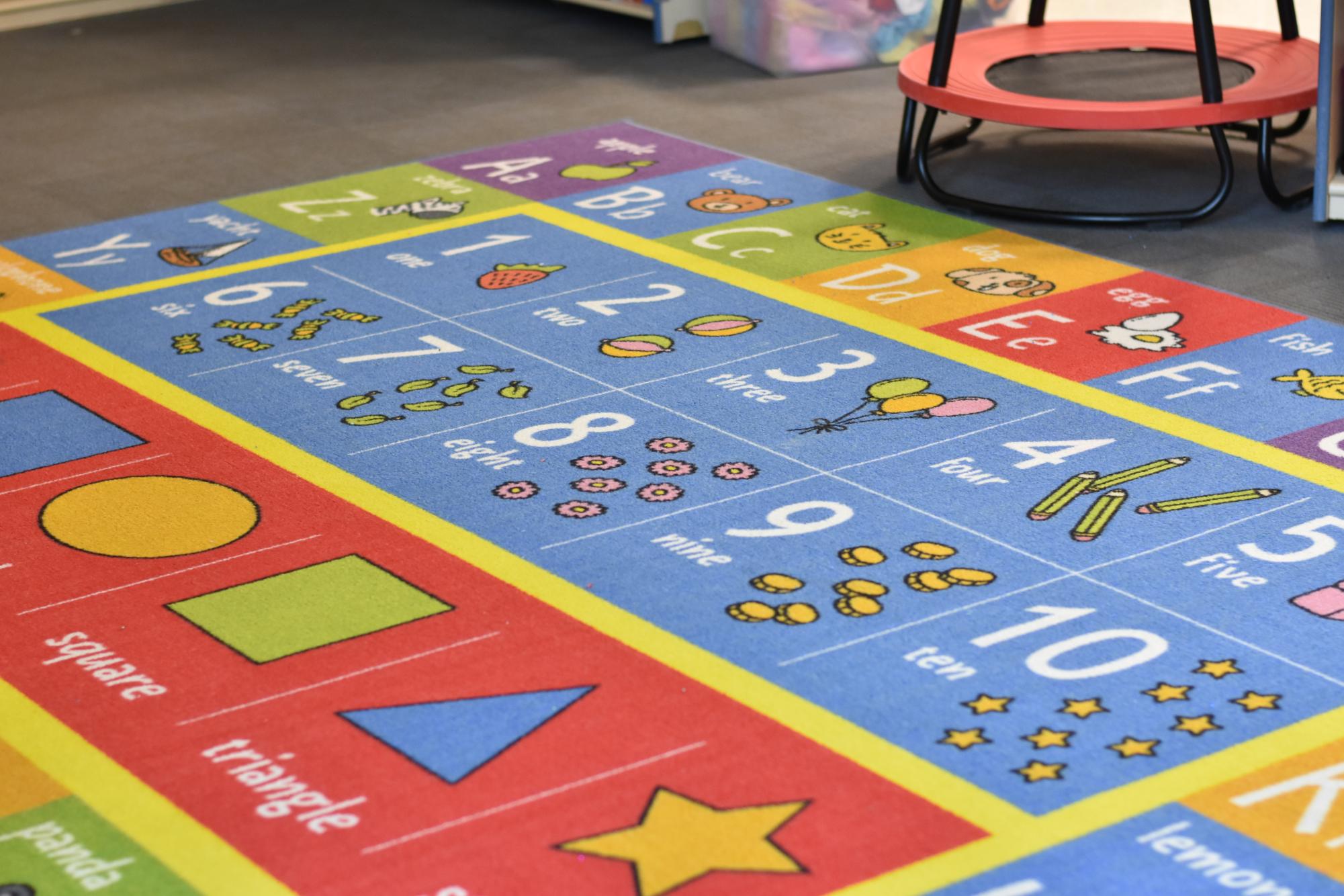
A rug with many graphics that can be used during class to help children learn. Feb 4, 2026.
-
A sign hanging that promotes the school. Feb 4, 2026.
-
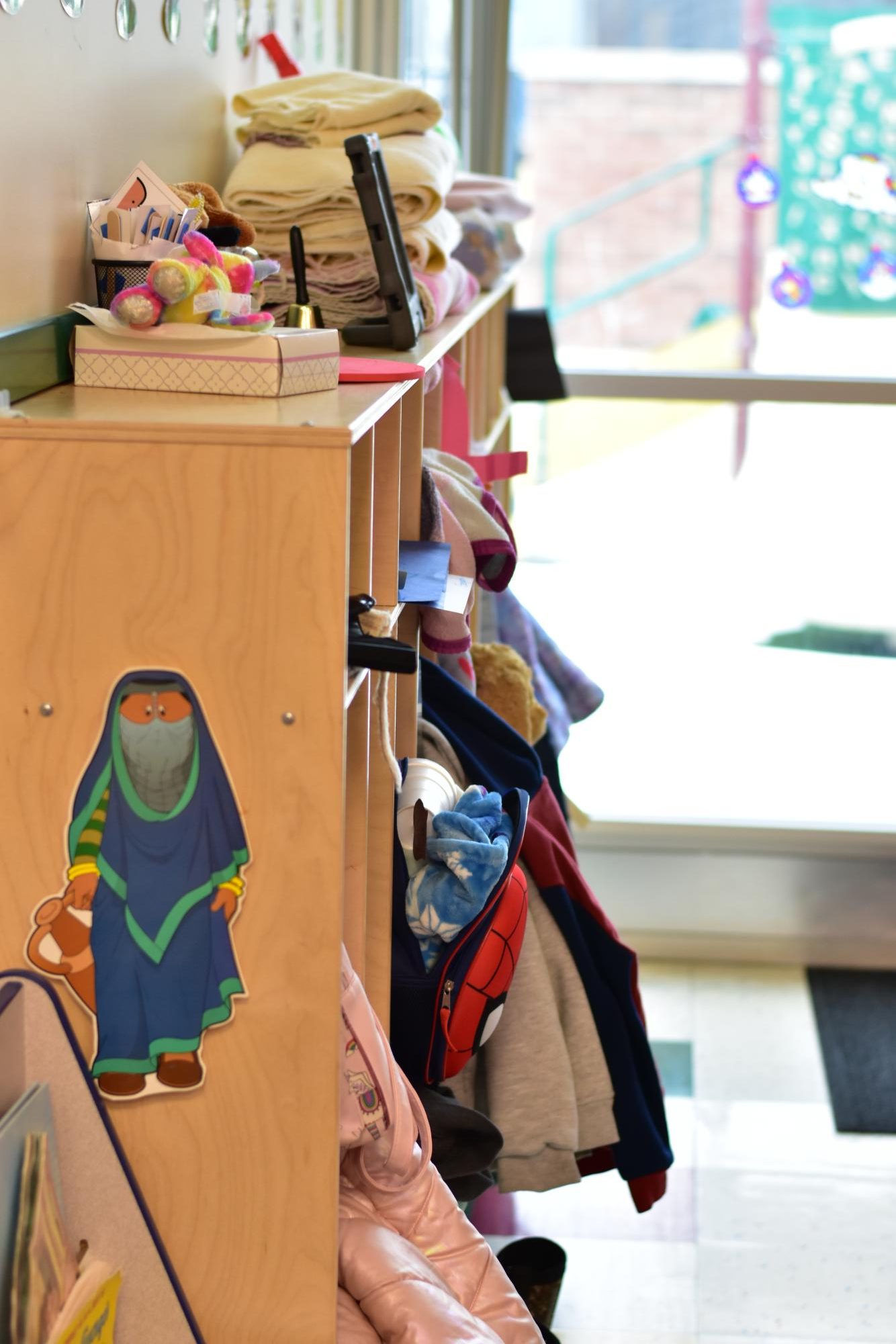
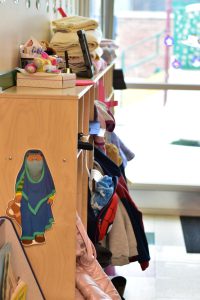
Children’s coats hang in their cubbies while they play in a different room. Feb 4, 2026.
-
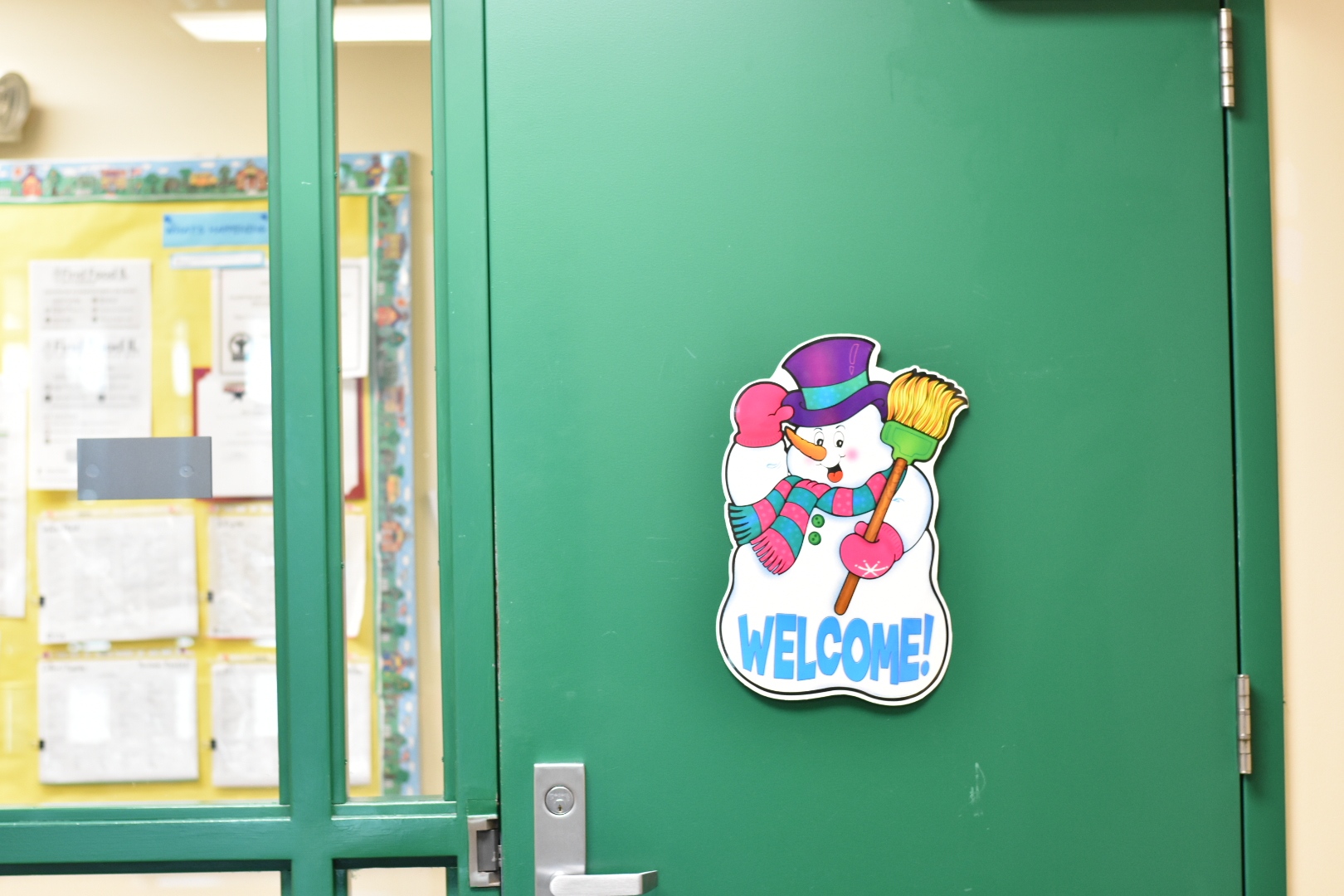
The door that leads into the Early Childhood Lab. Jan 29, 2026.
-
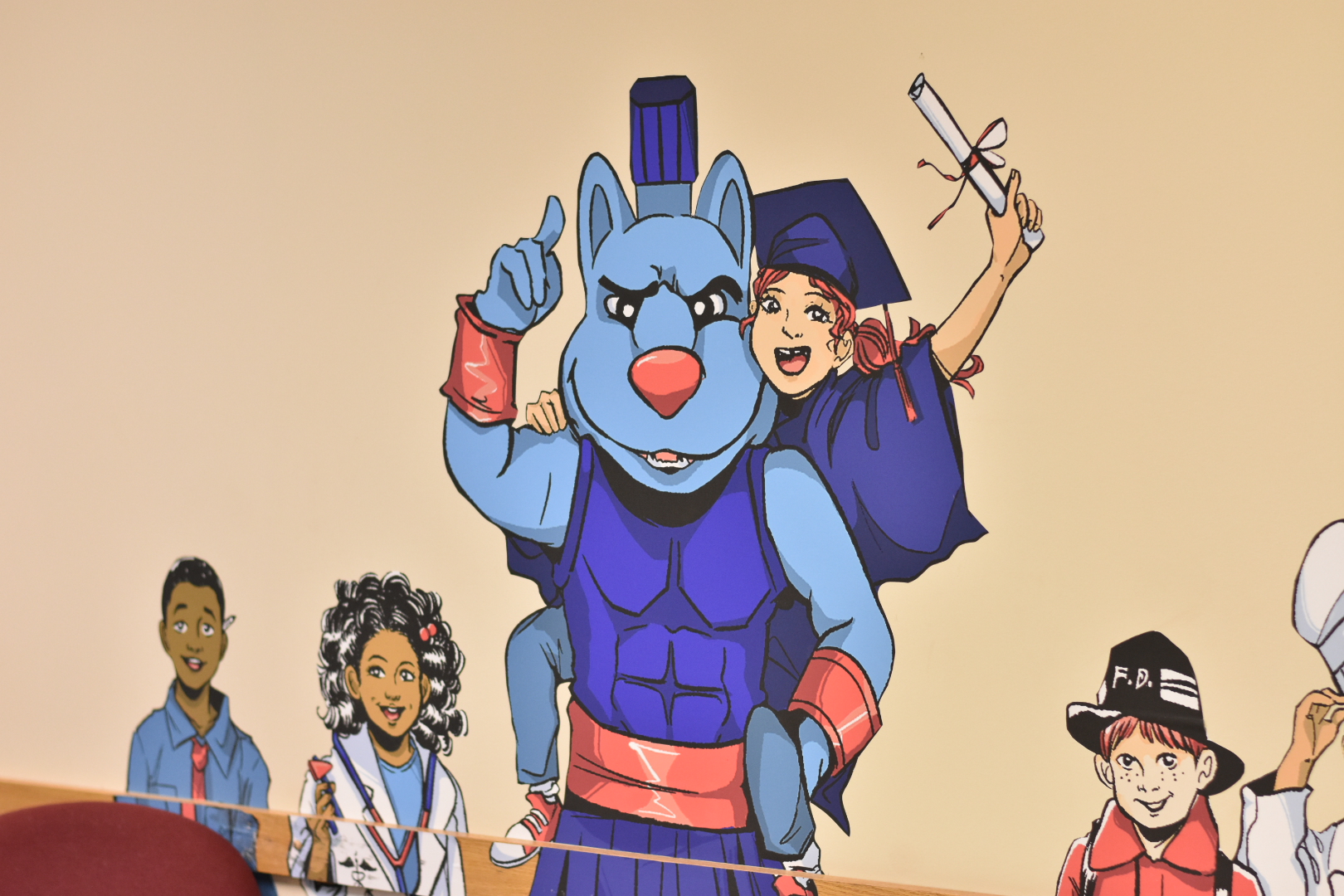
A painting hangs on a wall inside the Early Childhood Lab. The artwork adds color to the classroom and shows the creative environment of the space. January 29, 2026.






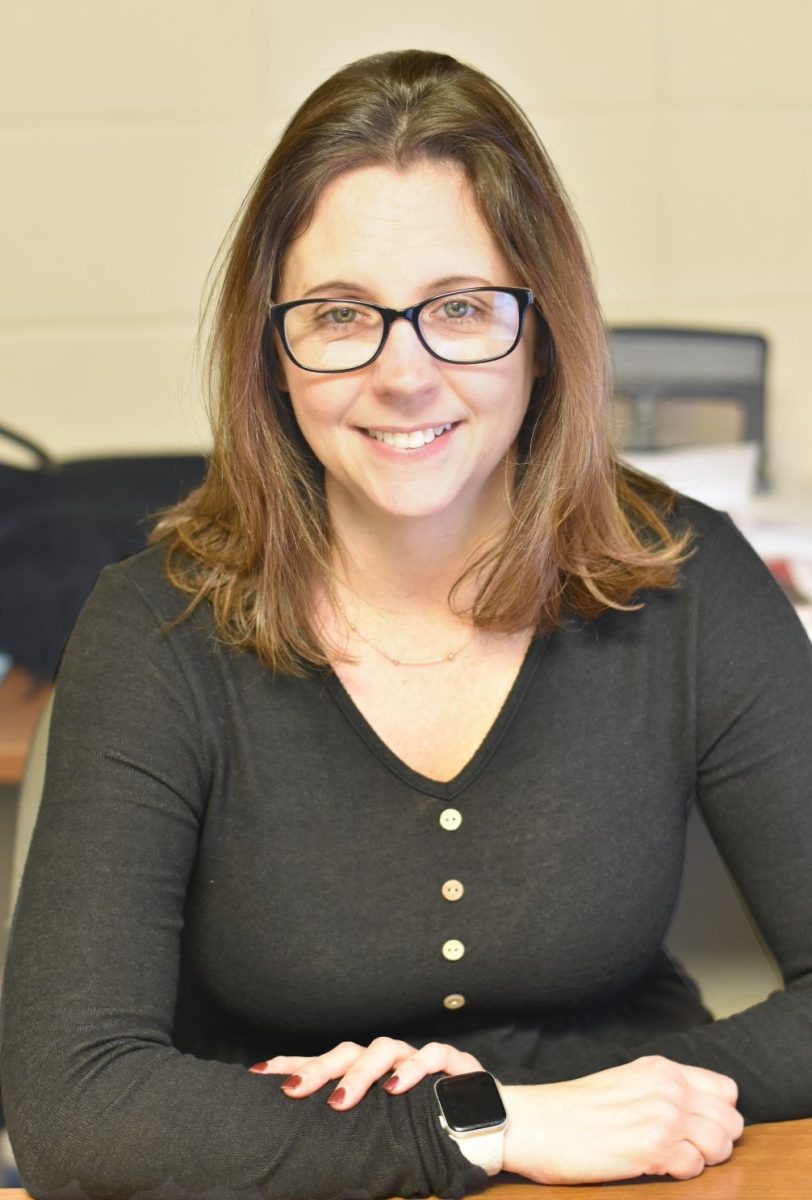
Beth Mrofcza shared her experiences in leadership and how she believes Early Childhood prepares children for academic life.
Q: Describe your role as director as Early Childhood Lab School.
A: I oversee all program operations and make sure we’re in compliance with DCFS and our national accreditation. I supervise staff, observe in classrooms, organize budgets, and provide coaching support with children when needed.
Q: What was your experience prior to joining this program?
A: Most of my experience has been with Headstart, a federally funded program for young children.
Q: What does a day look like?
A: Each class has a schedule that we follow routinely—consistency and routine help children to feel safe. Teachers also plan activities heavily based on early learning standards. Whether that be working on fine motor skills, cutting, literacy, or reading dictation. People might look into a classroom and think children are just playing, but our curriculum is play-based. Teachers scaffold learning through play.
Q: How have grants supported Early Lab School?
A: The CCAMPIS (Childcare Access Means Parents in School) grant helped us provide childcare subsidies for Pell eligible students to pay for childcare. It was really wonderful, over the course of four years, it was close to $500,000. We funded program operations, but majority of it went towards students who needed childcare while they went to class. Unfortunately, that grant is no longer with us. I believe funding is frozen for now, but we’re hopeful that it will come back.
Q: When do we (society) overlook childcare?
A: Mothers used to stay home, but in your average middle-class family, both parents need income. Maybe we’re in this phase where we’re not realizing the importance of it yet, because it’s so new. It’s hard to find staff who want to enter the field when we can’t afford to pay them for what they deserve. When you mix high levels of stress with low wages, people burnout real quickly.
Q:How can we advocate childcare?
A: By supporting initiatives such as CCAMPIS. We could support childcare assistance funding, or write letters to legislation. We need to support the systems that we have in place. Because right now, they are all being threatened to be taken away. People don’t realize that a child’s brain is developing more in their first six years of life than throughout the entire rest of it. It’s so important for at-risk youth to have that support early, so they can be prepared to enter Kindergarten.
Q: When did dedication become a higher-yielding concept for you?
A: When I first started working at Headstart as a teacher, I’m not going to lie, it was difficult. But what kept me there was really great. I had a wonderful mentor, Wanda Dusset. Once our director moved on, Wanda encouraged me to apply for that position. I began inserting myself into meetings, and I think she really appreciated that. Sometimes, you just meet the right person at the right time. It takes time to see the difference you’re making.